The Biggest Roofing Challenges Homeowners Face During Storm Season
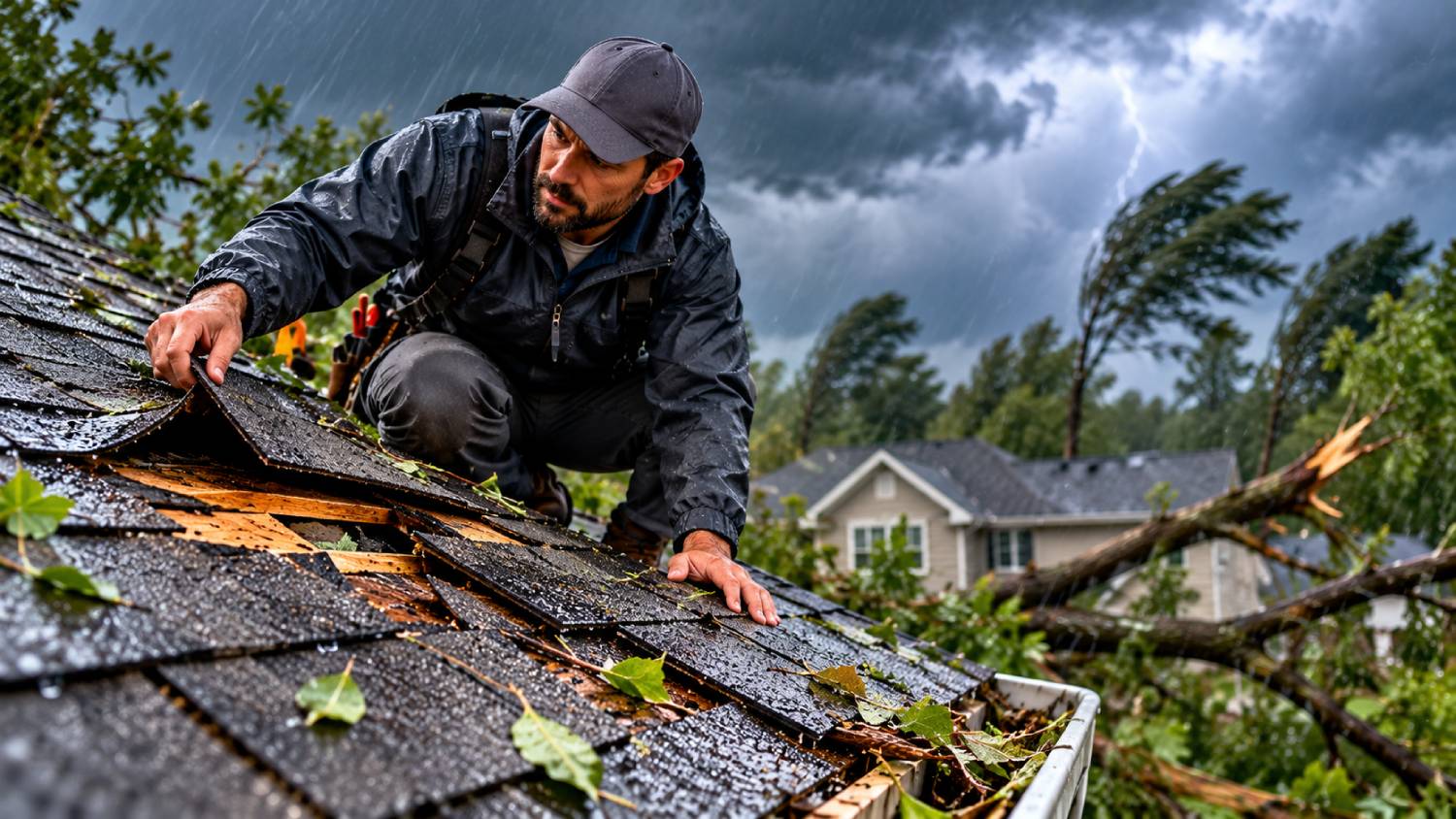
Storm season can expose weaknesses in a roof that remain unnoticed during normal weather. Strong winds, heavy rainfall, flying debris, and prolonged moisture can damage roofing materials and allow water to enter a property. Even relatively minor damage may become more serious when several storms occur close together, leaving homeowners with limited time to arrange repairs.
Preparing for severe weather involves more than checking for missing shingles. Homeowners researching roofing contractors redington shores fl should understand common roofing risks, recognise early warning signs, and consider the costs of preventive maintenance. Knowing when professional attention is necessary can help protect the property and reduce the likelihood of extensive repairs.
Wind Damage to Shingles and Roofing Materials
Strong winds can loosen shingles, lift roofing edges, and damage flashing around chimneys, vents, and roof penetrations. Once protective materials become displaced, the underlying roof structure may be exposed to rain. Older roofing systems or installations with weakened fasteners can be particularly vulnerable during severe weather.
After a storm, homeowners considering roofing contractors redington shores fl should arrange an inspection if they notice missing shingles, loose materials, or debris around the property. Roof damage is not always visible from ground level, so professional assessment may identify problems that would otherwise remain unnoticed.
Water Leaks and Hidden Moisture Damage
Heavy rainfall can enter through damaged shingles, deteriorating flashing, or poorly sealed roof openings. Water may travel along structural components before becoming visible inside the home, making the original entry point difficult to identify. Ceiling stains, damp insulation, and discoloured walls can indicate moisture intrusion.
Ignoring small leaks can lead to damaged plasterboard, deteriorating timber, and conditions that encourage mould growth. Prompt repairs help limit further damage, but the affected materials should also be assessed. Simply covering a visible water stain does not address the underlying roofing problem.
Blocked Gutters and Drainage Problems
Leaves, branches, and storm debris can accumulate in gutters and downpipes, restricting water drainage. When rainwater cannot flow away effectively, it may overflow near roof edges, fascia boards, and exterior walls. Prolonged moisture exposure can gradually damage surrounding building materials.
Regular gutter inspections and cleaning can reduce these problems before severe weather arrives. Homeowners should also check that downpipes direct water away from the building’s foundations. Where drainage problems persist, professional assessment can identify damaged guttering, unsuitable slopes, or other underlying issues.
Flying Debris and Structural Damage
Storms can carry tree branches, loose construction materials, and other debris onto roofs. Falling objects may crack tiles, puncture roofing membranes, or damage supporting structures. Nearby trees with overhanging or weakened branches can increase the risk of impact damage during strong winds.
Homeowners should inspect surrounding trees and remove loose outdoor items before storm warnings take effect. Significant structural damage requires professional attention, particularly when roof sections appear uneven or unstable. Never climb onto a damaged roof, as weakened surfaces can create serious safety hazards.
Unexpected Repair Costs and Insurance Concerns
Storm damage can create unexpected expenses, especially when moisture affects insulation, ceilings, or structural timber. Repair costs depend on the roofing material, affected area, accessibility, and extent of deterioration. Emergency weatherproofing may also be necessary before permanent repairs can begin.
Homeowners should photograph visible damage when safe and review their insurance coverage before authorising major work. Written estimates help clarify repair requirements and potential additional expenses. Keeping maintenance records and inspection reports may also assist when discussing storm-related damage with an insurer.
Roofing Regulations and Repair Disruption
Major roof repairs and replacements may require permits and compliance with applicable building codes. In hurricane-prone areas, requirements can address wind resistance, fastening methods, and roofing materials. Homeowners should confirm local permit requirements before arranging permanent work, particularly when structural changes are involved.
Roofing projects can also disrupt everyday activities through noise, material deliveries, restricted access, and temporary exposure during installation. Available working space around the property influences equipment placement and contractor access. Discussing the expected schedule, weather contingencies, and site protection beforehand can help minimise inconvenience.
Choosing Between Roof Repair and Replacement
Roof repairs may be suitable when damage affects a limited area and the remaining roofing system is in good condition. Replacing damaged shingles, repairing flashing, or addressing isolated leaks can restore protection without removing the entire roof. However, repairs cannot always resolve widespread deterioration.
Replacement may become more practical when damage is extensive, leaks repeatedly return, or the existing roof is approaching the end of its service life. A professional inspection can help homeowners compare both options based on structural condition, material compatibility, cost, and expected durability.
Conclusion
Storm season presents several roofing challenges, from wind damage and water leaks to drainage problems and unexpected repair expenses. Identifying vulnerable areas early and maintaining roofing components can help reduce preventable damage while improving overall weather resistance.
Homeowners should prioritise regular inspections, prompt repairs, and appropriate storm preparation. When significant deterioration or damage occurs, professional assessment provides a clearer basis for choosing suitable repairs or replacement, helping protect the property against future severe weather.