Smart Window Technologies Reshaping Home Maintenance Strategies
The concept of home maintenance is changing rapidly as innovation enters the framework of residential architecture. Traditional windows have long been a passive component of a building, requiring manual operation, regular washing, and frequent inspections to ensure the structural seals remain intact. Today, smart window technologies are shifting this paradigm entirely, turning standard glass panes into dynamic, responsive systems. These advanced installations alter how homeowners approach energy efficiency, security, and routine upkeep, effectively reducing the physical labor and long-term costs traditionally associated with keeping a residential property in pristine condition.
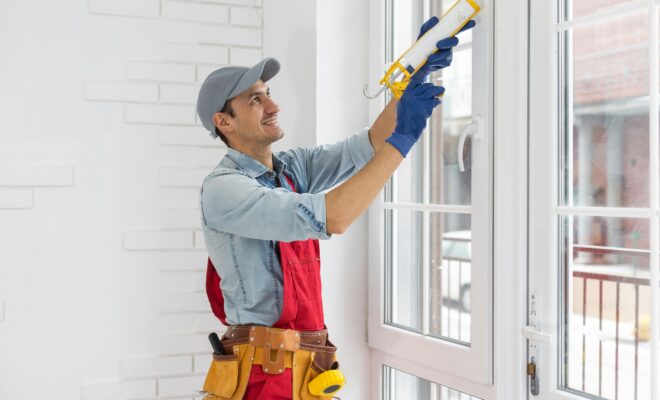
Smart glass technology introduces a level of automation that minimizes the physical degradation caused by environmental exposure. For instance, when weather patterns shift suddenly, integrated sensors can automatically close open casements to protect interiors from water damage. However, even the most sophisticated smart systems rely on a sound mechanical foundation. Homeowners experiencing physical issues with their framing, track systems, or older glass panes often seek expert window repair Palm Harbor FL, to ensure their structural openings are fully prepared to support advanced retrofits or smart hardware integrations. Neglecting the foundational hardware before upgrading can lead to system errors and premature component failure.
The Evolution of Electrochromic and Photochromic Glass
The core of smart window technology rests on dynamic glazing. Electrochromic glass uses a microscopic electronic coating that reacts to small electrical voltages. With the press of a button, a smartphone app, or an automated home automation trigger, the glass transitions from clear to deeply tinted. This change regulates the solar heat gain coefficient, blocking infrared light before it enters the living space and strains the air conditioning system.
Photochromic and thermochromic variations alter their state passively based on light intensity or ambient temperature. By controlling the amount of UV radiation and thermal energy that passes into a home, these materials prevent the fading of interior fabrics, hardwood flooring, and artwork. From a maintenance perspective, eliminating the need for heavy, dust-collecting blinds and draperies significantly decreases indoor allergen accumulation and simplifies regular interior cleaning schedules.
Predictive Diagnostics and Integrated Sensors
Modern smart windows do not just react to environmental changes; they actively monitor their own health. Embedded piezoelectric sensors can detect unusual vibrations or pressure differentials across the pane. For example, if a severe storm stresses the glass or if a structural shift in the foundation compromises the window frame, the system alerts the homeowner immediately via an integrated digital platform.
This early detection capability completely redefines standard home inspections. Instead of waiting for a visible draft or an active water leak to manifest, property owners receive real-time data regarding seal degradation. Addressing a compromised weather seal early prevents moisture from penetrating the wall cavity, which avoids the expensive structural wood rot repairs that typically occur after years of undetected leaking. If a sensor reports a mechanical error or a hairline fissure in a coastal residence, contacting a professional specializing in window repair Palm Harbor FL, ensures the issue is resolved before a minor flaw escalates into a major security vulnerability during storm season.
Self-Cleaning Coatings Reduce Exterior Labor
Cleaning high or hard-to-reach exterior glass surfaces is a hazardous and tedious chore. Smart windows resolve this issue by utilizing specialized hydrophilic and photocatalytic coatings, often composed of titanium dioxide. This technology utilizes natural elements to keep the glass free of grime through a two-stage chemical process:
- Photocatalytic Stage: Ultraviolet light reacts with the coating to chemically break down organic dirt, pollen, and bird droppings on the exterior surface.
- Hydrophilic Stage: Rainwater or morning dew sheets evenly across the glass instead of forming beads. As the water flows downward, it carries the loosened organic debris away cleanly, leaving a streak-free finish.
This self-cleaning mechanism prevents the accumulation of mineral deposits and hard water stains that can permanently etch glass over time. By reducing the frequency of manual cleanings, homeowners protect the glass from the abrasive micro-scratches often caused by improper squeegee techniques or harsh chemical cleaners.
Motorized Actuators and Automated Ventilation Strategy
Automated mechanical components play a significant role in modern indoor air quality management. Motorized window actuators can interface with interior carbon dioxide and humidity monitors. When indoor air becomes stagnant or excessively humid, the windows open slightly to facilitate natural cross-ventilation, closing automatically once the indoor air metrics normalize or if outdoor humidity spikes.
This level of automation protects the home interior from mold growth and moisture condensation along the sills. It also relieves homeowners of the manual task of opening and closing windows throughout the day to balance indoor temperatures. Because these motorized systems utilize precision alignment tracks, they experience less uneven wear and tear than windows forced open or slammed shut by hand, effectively extending the functional lifespan of the operating hardware.
Looking Forward to Automated Home Protection
The integration of intelligent glass and automated hardware transforms windows from fragile structural openings into active lines of residential defense. By addressing maintenance issues through predictive alerts and self-cleaning attributes, these technologies preserve the structural envelope of the home while reducing manual chores. Investing in these responsive features ensures long-term property protection, exceptional energy management, and a significant reduction in unexpected repair expenses over the lifespan of the building.